

Recycling in South Africa: Challenges, Innovations, and Sustainable Solutions
Introduction
Recycling has become a global imperative in the face of mounting environmental challenges, and South Africa is no exception. As a country grappling with issues of waste management, pollution, and resource depletion, the need for effective recycling practices has never been more urgent. This article explores the state of recycling in South Africa, examining the challenges it faces, innovative initiatives underway, and the path towards a more sustainable future.
The Current Landscape of Recycling in South Africa
South Africa generates millions of tons of waste annually, with a significant portion ending up in landfills, exacerbating environmental degradation and health risks. Despite efforts to promote recycling, the country’s recycling rate remains relatively low compared to global standards. Limited infrastructure, inadequate waste management systems, and socio-economic factors contribute to the challenges of recycling in South Africa.
Challenges Facing Recycling Efforts
1. Infrastructure Deficiencies: Insufficient recycling infrastructure, including collection and sorting facilities, hampers the efficient processing of recyclable materials.
2. Informal Waste Sector: While the informal waste sector plays a crucial role in waste collection and recycling, it lacks formalization, resulting in inefficiencies and environmental concerns.
3. Consumer Awareness and Participation: Low levels of awareness and participation among consumers contribute to the underutilization of recycling programs and facilities.
4. Economic Viability: Limited market demand for recycled materials and volatile commodity prices pose economic challenges to recycling businesses.
Innovations and Initiatives Driving Change
Despite these challenges, various initiatives and innovations are emerging to promote recycling and sustainability in South Africa.
1. Extended Producer Responsibility (EPR): EPR initiatives shift the responsibility for managing post-consumer products and packaging from municipalities to producers, encouraging them to design products with recycling in mind.
2. Public-Private Partnerships (PPPs): Collaborations between government, industry, and non-profit organizations are fostering the development of recycling infrastructure and awareness campaigns.
3. Technology and Innovation: Advancements in technology, such as smart waste management systems and mobile recycling apps, are improving waste collection, sorting, and recycling processes.
4. Community Engagement: Community-based initiatives and grassroots organizations are empowering local communities to take ownership of recycling efforts, promoting environmental stewardship and socio-economic development.
Sustainable Solutions for the Future:
To overcome the challenges and realize the full potential of recycling in South Africa, a multi-faceted approach is necessary.
Key strategies include
1. Investment in Infrastructure: Prioritizing investments in recycling infrastructure, including collection, sorting, and processing facilities, to enhance the efficiency and capacity of the recycling sector.
2. Policy Support: Enacting and enforcing policies that promote recycling, such as EPR regulations, waste management standards, and incentives for sustainable practices.
3. Education and Awareness: Implementing comprehensive education and awareness campaigns to promote recycling literacy among consumers, businesses, and communities.
4. Innovation and Research: Supporting research and innovation in recycling technologies, materials science, and circular economy models to drive continuous improvement and adaptation.
5. Integration of Informal Sector: Formalizing and integrating the informal waste sector into the recycling value chain, providing training, support, and recognition for their vital contributions.
Places to Recycle and Types of Recyclables
1. Recycling Depots: Municipal recycling depots are scattered across South Africa, providing drop-off points for various recyclable materials. These depots typically accept paper, cardboard, glass, plastic, and metal packaging.
2. Curbside Collection: Many municipalities offer curbside collection services for recyclable materials, including paper, cardboard, plastic bottles, glass containers, and metal cans. Residents can separate recyclables from their household waste and place them in designated bins or bags for collection.
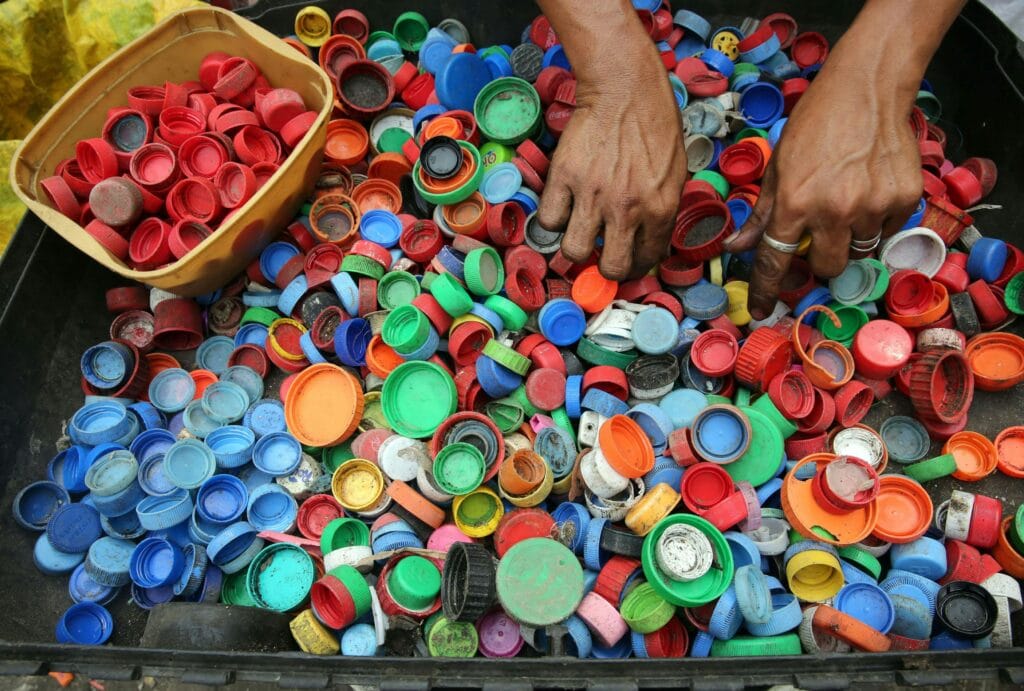
3. Buy-Back Centers: Buy-back centers incentivize recycling by offering payment or rewards for certain recyclable materials, such as plastic bottles, aluminum cans, and scrap metal. These centers often collaborate with informal waste pickers to collect and process recyclables.
4. E-Waste Collection Points: Electronic waste, or e-waste, poses significant environmental and health risks if not properly managed. Dedicated e-waste collection points accept old electronics, including computers, smartphones, TVs, and batteries, for safe disposal and recycling.
5. Clothing and Textile Recycling: Textile recycling facilities and donation centers accept used clothing, shoes, and textiles for recycling, repurposing, or donation to those in need. These initiatives help divert textile waste from landfills and support sustainable fashion practices.
Types of Recyclable Materials
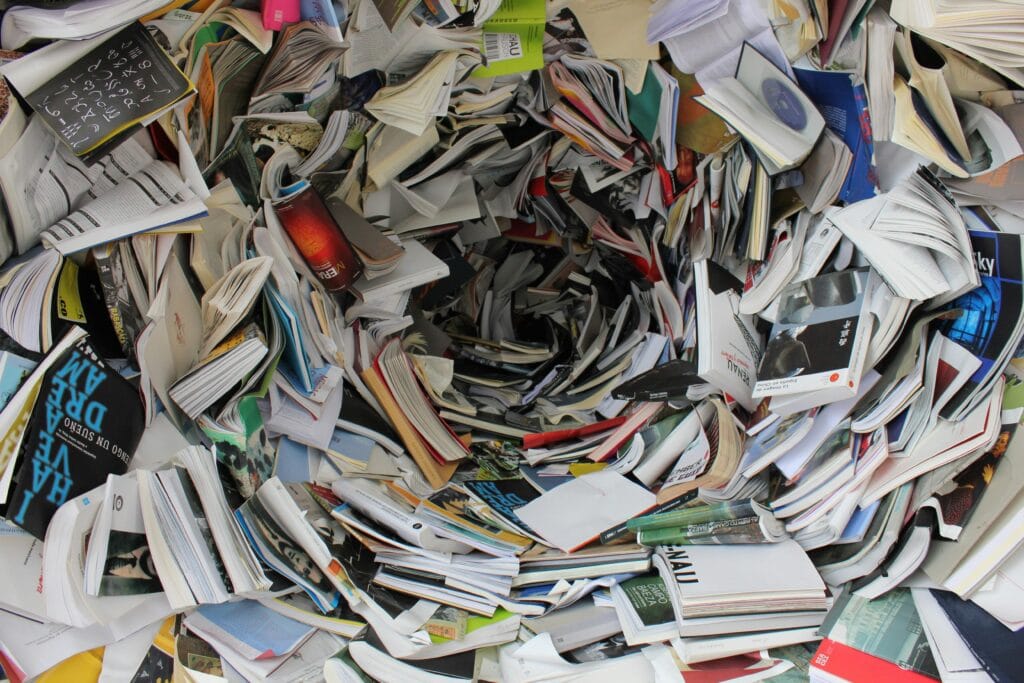
1. Paper and Cardboard: Newspapers, magazines, office paper, cardboard boxes, and packaging materials are commonly recycled into new paper products, cardboard packaging, and other paper-based materials.
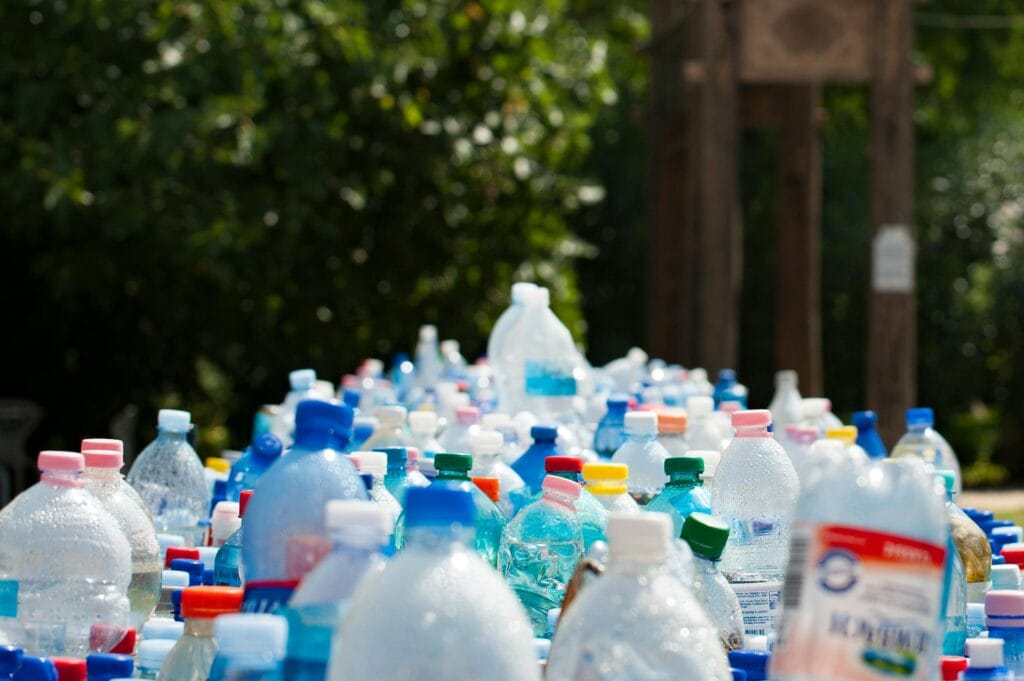
2. Plastic: PET (polyethylene terephthalate) bottles, HDPE (high-density polyethylene) containers, LDPE (low-density polyethylene) plastic bags, PVC (polyvinyl chloride) pipes, and other plastic packaging can be recycled into new plastic products, such as bottles, containers, and synthetic fibers.
3. Glass: Glass bottles and jars are endlessly recyclable and can be transformed into new glass containers or used in road construction and insulation materials.
4. Metal: Aluminum cans, steel cans, tin cans, and scrap metal are valuable recyclable materials that can be melted down and reused to manufacture new metal products, including cans, automotive parts, and construction materials.
5. E-Waste: Electronic waste, including computers, laptops, smartphones, tablets, TVs, and small appliances, contains valuable metals and components that can be recovered through specialized recycling processes.
6. Organic Waste: While not traditionally considered recyclable, organic waste can be composted to produce nutrient-rich soil amendments for gardening and agriculture, reducing the burden on landfills and mitigating greenhouse gas emissions.
By identifying convenient recycling locations and understanding the types of recyclable materials accepted, individuals and businesses can actively participate in recycling efforts and contribute to a more sustainable future in South Africa.
Conclusion
Recycling holds immense potential to mitigate environmental pollution, conserve resources, and foster sustainable development in South Africa. By addressing the challenges, embracing innovation, and adopting holistic solutions, the country can transition towards a circular economy where waste becomes a valuable resource. Through collective action and collaboration, South Africa can pave the way for a greener, cleaner, and more prosperous future for generations to come.